Suffering with Plantar Fasciitis / Heel Pain?
There are 26 bones in your foot and ankle, 33 joints, and over 100 tendons. The heel is the largest bone in your foot. Your foot and ankle are complex structures that provide support and movement for your body.
Conditions That Cause Heel Pain
Heel pain can stem from various conditions with unique causes, symptoms, and treatment options. Understanding these can be the first step towards relief. Let's delve into some of the most prevalent heel pain conditions:
Plantar Fasciitis
Often identified by a stabbing pain in the bottom of your foot near the heel, plantar fasciitis is the inflammation of the plantar fascia, a thick band of tissue that runs across the bottom of your foot and connects your heel bone to your toes. It's widespread in runners, overweight individuals, and those wearing shoes with inadequate support. Strictly speaking, plantar fasciitis is less than 3 months old i.e. an acute injury, whereas plantar fasciosis is for more chronic longer term issues.
Achilles Tendinitis
This condition involves the inflammation of the Achilles tendon, the band of tissue that connects your calf muscles at the back of the lower leg to your heel bone. It's often a result of repetitive stress to the tendon, affecting athletes and those who are less active.
Heel Bursitis
Bursitis of the heel is inflammation of the bursa, a fluid-filled sac located at either the back of or underneath the heel. It can cause pain in the back or deep underneath the heel. This condition can mimic Achilles tendinitis or plantar fasciitis, and can be due to landing awkwardly or hard on the heels.
Heel Spurs
These are growths of bone on the underside, front of the heel bone. Heel spurs can occur without pain, but they can be associated with chronic pain if inflammation develops at the point of the spur formation. They are frequently associated with plantar fasciitis.
Sever's Disease
Also known as calcaneal apophysitis, it's a bone disorder that results from inflammation of the growth plate in the heel. It's a common cause of heel pain in growing children and adolescents, particularly physically active ones.
Remember, if you're experiencing heel pain, it's crucial to consult with a healthcare professional for an accurate diagnosis and appropriate treatment. Our HCPC-registered and qualified podiatrists are here to help you understand your heel pain and guide you towards the path of recovery. Don't let heel pain hold you back—seek the professional advice and care you deserve.
Need More Information? Visit our clinic or contact us today to schedule an appointment. Our team is dedicated to providing you with the care and support you need to get back on your feet without pain
Common questions around heel pain conditions
What are the first signs of plantar fasciitis?
The first sign is often a sharp pain in the bottom of the foot near the heel, especially noticeable on first weightbearing with the first steps in the morning or after a period of rest.
Can Achilles tendinitis heal on its own?
While mild cases can improve with rest and home treatments, persistent or severe cases require professional care to prevent further damage.
Are heel spurs and plantar fasciitis the same thing?
No, they are different conditions. Plantar fasciitis involves inflammation of the plantar fascia, whereas heel spurs are bone growths on the heel bone. However, they can be related, as plantar fasciitis can lead to the development of heel spurs.
How can I prevent heel bursitis?
Preventative measures include wearing properly fitting shoes, gradually increasing physical activity levels, and incorporating stretching and strengthening exercises for the foot and ankle.
What is the best treatment for Sever's disease?
Treatment of acute symptoms usually involves rest, ice, over-the-counter pain relievers, and physical therapy. It's also important to wear supportive shoes and use orthotic devices / heel raises.
When should I see a doctor for heel pain?
You should consult a healthcare professional if heel pain persists despite rest and home care, worsens, or interferes with your daily activities. Remember that doctors are NOT specialists in feet, so seeing a Podiatrist is advisable.
Can wearing orthotics help with heel pain?
Yes, orthotics or shoe inserts can provide additional support and cushioning, helping alleviate pain and offload damaged tissues contributing to heel pain.
Is it possible to prevent heel pain?
While not all cases can be prevented, maintaining a healthy weight, choosing supportive footwear, and incorporating foot exercises into your routine can help reduce the risk.
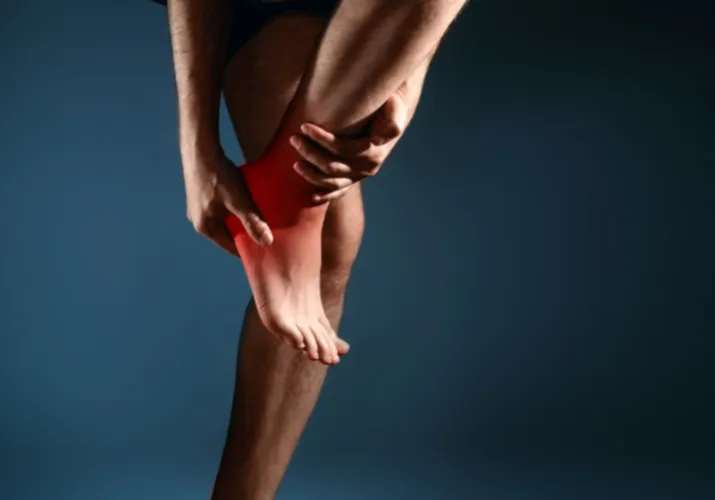
Why do you have heel pain?
There are 26 bones in your foot and ankle, 33 joints, and over 100 tendons. The heel is the largest bone in your foot. Your foot and ankle are complex structures that provide support and movement for your body.
If you have heel pain, it may be because you have used or injured your heel. This can range from being a mild discomfort to disabling. If home remedies don't help ease the pain, you may need to seek the advice of an HCPC registered and qualified podiatrist like ourselves.
Alternatively, you can look at our handy online guide to try to diagnose your heel pain.
14 must know facts about plantar fasciitis and heel pain
If you haven't been able to diagnose your heel pain using our online guide, we also have blogs that go into further detail. Check out our blog called "14 must know facts about plantar fasciitis and heel pain" or give us a call. We will be happy to analyse and diagnose your heel pain and advise you on the best course of treatment to get you back to feeling great.


Heel Pain FAQs
How can I prevent heel pain?
To prevent heel pain, it is helpful to:
1. Wear appropriate footwear for the task ahead and ensure that it fits properly
2. Avoid overloading your feet more than they are used to
3. Keep your body at a healthy weight
Consult a podiatrist as soon as your heel pain starts to worsen so they can diagnose the problem and provide the best course of therapy.
How is plantar fasciitis diagnosed?
A podiatrist will undertake a complete examination, which includes a physical examination of the foot and a discussion of any prior injuries or medical issues, in order to identify plantar fasciitis or one of the other 40+ possible diagnoses for heel pain — giving the podiatrist a precise diagnosis of the problem and the best course of action.
How long does it take for heel pain to heal?
The following factors affect how long it takes for heel pain to subside:
- The severity of the heel pain
- How quickly the individual gets an accurate diagnosis from the 40+ possibilities
- How well the individual responds to the treatment
- If there are any underlying issues that may affect the recovery time for the heel pain.
It is advisable to discuss the healing process and the best course of action for a quick recovery with your podiatrist.
Can heel pain occur in children?
It is not uncommon for children to experience heel pain. However, it is usually due to calcaneal apophysitis (previously known as Sever’s disease), which is the inflammation and pain of the growth plate at the back of the heel.
Make careful to schedule a physical examination with your podiatrist if your child complains of heel discomfort.
Can wearing orthotics or shoe inserts help with heel pain?
It depends on the cause of the heel pain. In many cases by giving your heel extra support and/or cushioning, orthotics or shoe inserts can help reduce heel discomfort. There is a vast variety of possible prescriptions to ease this pain, so it is best to get guidance from your podiatrist as to which may suit you best (if any).
Can heel pain be prevented during physical activities or sports?
Yes, heel pain can be prevented during physical activities or sports. Keep the following in mind to prevent this discomfort:
- Wear appropriate and well-fitting shoes for the intended activity.
- Make use of warm-up exercises before you do any activity. Stretches of the foot, calf, or leg may be among them.
- Consider using additional support like shock-absorbing insoles or orthotics to lessen the strain on your heels.
- Ensure your body is trained ready for the activity required of them, such as strengthening muscles.
Mythbusting 101 for Heel Pain
You can also watch my video to learn more about plantar fasciitis and heel pain!
Need help with heel pain? Book an appointment at a time to suit your schedule
The best thing you can do for your heel pain is to speak to a qualified professional just like ourselves. Why not book an appointment and see one of our friendly team in Southam today?
Disclaimer
The contents of this website including any details given about conditions and treatments are for information purposes only and must not be used as a guide for self-diagnosis or self-treatment. Health First and Feet First (Southam) Limited do not accept any responsibility if the information held on these pages is used in any other way except for personal enquiry.

Contact Us
Feet First (Southam) Limited
Daventry Street
Southam
Warwickshire
CV47 1PH
Phone: 01926 811272
Email: [email protected]
Company Number: 04642090
Quick Links
Buy Foot Care Products

© 2022 Health First Foot and Gait Clinic | Warwickshire, CV47 1PH
We run on