Shin Splint
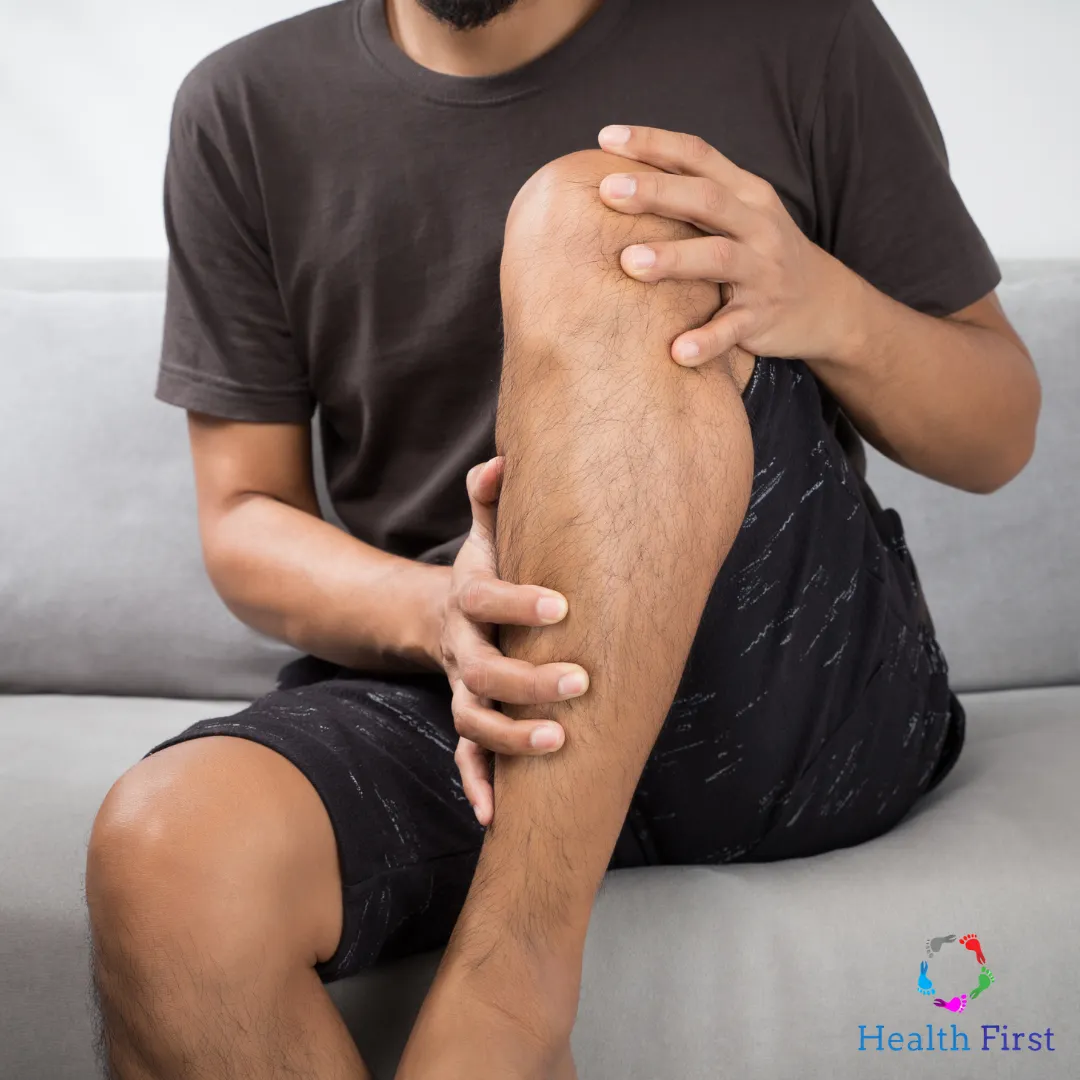
Shin splints, also known as medial tibial stress syndrome, causes pain along the inner side of the shinbone (tibia), typically triggered by physical activity. This condition is common among runners and individuals who frequently engage in high-impact sports, as the repetitive force placed on the shinbone and surrounding tissues can lead to inflammation. At Health First Foot and Gait Clinic, our team offers targeted treatments to help you relieve pain and return to your activities with confidence.
What Are Shin Splints?
Shin splints occur when the muscles, tendons, and bone tissue around the tibia become inflamed due to overuse or sudden increases in activity. Shin splints are usually linked to activities that involve high-impact, repetitive movements, particularly on hard surfaces.
Symptoms of Shin Splints
Common symptoms of shin splints include:
Pain and Tenderness: Dull, aching pain along the inner shin that may worsen during or after exercise.
Swelling: Mild swelling in the shin area, particularly along the inner edge of the tibia.
Sensitivity to Touch: The affected area may feel tender or sore to the touch, especially after high-impact activities.
Causes & Risk Factors
The primary cause of shin splints is overuse, but several factors can increase the risk, such as:
Improper Footwear: Wearing unsupportive or worn-out shoes can put excess strain on the legs and shins.
Flat Feet or sub-optimal foot function: Foot mechanics, such as excessive inward rolling of the foot, can lead to additional stress on the shinbone.
Training on Hard Surfaces: Running or exercising on hard surfaces, like concrete, can intensify the impact on the legs.
Sudden Increase in Physical Activity: Jumping into a more intensive exercise routine without gradual build-up can increase risk.
Treatment Options for Shin Splints
Shin splints can often be managed effectively with a combination of conservative therapies and lifestyle adjustments. Our approach at Health First Foot and Gait Clinic includes:
Rest and Ice Application: Taking a break from high-impact activities and applying ice can alleviate inflammation and pain.
Orthotics and Supportive Footwear: Properly fitted shoes and functional foot orthoses (orthotics) help to alter forces going through the shins and provide the necessary foot support.
Strengthening Exercises: Targeted exercises to strengthen the lower leg muscles reduce stress on the tibia and help prevent further injury.
Gradual Training Adjustments: Adjusting your training plan to build up activity gradually helps your body adapt safely to higher impact levels.
Laser or Shockwave Therapy: Can aid speedy recovery for stubborn conditions through stimulating healing.
Preventing Shin Splints
Preventive strategies play a key role in managing shin splints. Wearing the right footwear, incorporating warm-ups and stretches, and maintaining proper foot mechanics through orthotics can all help minimise the risk of recurring shin splints.
When to Seek Professional Help
If you experience persistent shin pain that doesn’t improve with rest, or if the pain interferes with daily activities, it’s essential to consult a specialist. Early intervention can help prevent the condition from worsening, allowing for a quicker return to activity.
At Health First Foot and Gait Clinic, our experienced podiatrists provide thorough assessments and personalised care to address shin splints and other lower limb concerns. Contact us today to schedule an appointment and explore effective treatments tailored to your needs.
REVIEWS
Rated the best podiatrists in Southam — here’s what our patients are saying!
With years of training and experience, we combine our expertise with state-of-the-art equipment to provide the best possible care for all foot and lower limb conditions.
Our highly skilled podiatrists — previously based in London — now proudly serve the Southam community. See why our patients consider us the leading podiatrists in the area by reading their reviews.
Foot Health for the Whole Family at Health First Southam Foot & Gait Clinic
Are your feet being properly looked after? Foot pain, heel pain, even knee pain and back pain can be improved through biomechanical intervention, surgery or other treatments.
In an average lifetime our feet carry us the equivalent of five times around the world. It's not surprising that they need some first aid from time to time. You only get one pair so look after your feet!
Disclaimer
The contents of this website including any details given about conditions and treatments are for information purposes only and must not be used as a guide for self-diagnosis or self-treatment. Health First and Feet First (Southam) Limited do not accept any responsibility if the information held on these pages is used in any other way except for personal enquiry.

Contact Us
Feet First (Southam) Limited
Daventry Street
Southam
Warwickshire
CV47 1PH
Phone: 01926 811272
Email: [email protected]
Company Number: 04642090
Quick Links
Buy Foot Care Products

© 2022 Health First Foot and Gait Clinic | Warwickshire, CV47 1PH
We run on